
Homedge Furniture Blogs
How Do You Check Custom Furniture Before It Ships?
Short answer
You check it against three references signed before production started — the approved drawing revision, the approved sample, and the named board and finish — and you check at three moments rather than one.
A final inspection grades what is already in front of it. By the time the cartons are sealed, the panel grade, the edge band, the hinge model and the hole positions are all fixed; an inspector can record them, not change them.
So the useful question is not "will there be an inspection?" but "what are both sides measuring against, and at which point?"
20 November 2026
What Size Should Kitchen Cabinets Be?
Short answer
There is no single set of kitchen cabinet dimensions that fits every project, because the four numbers people ask about are each the output of a different input:
Finished counter height follows the person using it and the task, and in our projects it is set from the client's figure or the project drawing rather than from a fixed default.
Base depth and worktop depth follow the appliances that sit in them and the overhang you want at the front edge.
Wall cabinet depth and the gap above the counter follow what is stored there and what hangs underneath — a range hood sets that gap more often than a design rule does.
Aisle width follows how many people cook at once.
The published standards are useful as a starting point. They are also the reason three quotes for the same kitchen can come back with three different carcass depths.
17 November 2026
How Deep Should a Walk-In Closet Be? Start With Net Depth, Not Standards
Short answer
Measure the net depth first, then choose the layout. In our drawings, a fitted closet with a nominal depth of 600 mm usually gives you somewhere around 520–540 mm of clear space in front of the hanging rod once the back panel, the door and the track are subtracted. That is enough for shirts and jackets on standard hangers, and it is tight for long coats and bulky outerwear.
If the room only allows a nominal depth of 550 mm, the closet still works — but the mix of garments changes, and it helps to plan that on the drawing rather than discover it after installation.
The standards quoted online are a reasonable starting point. They are not the number that decides whether a coat hangs straight.
13 November 2026
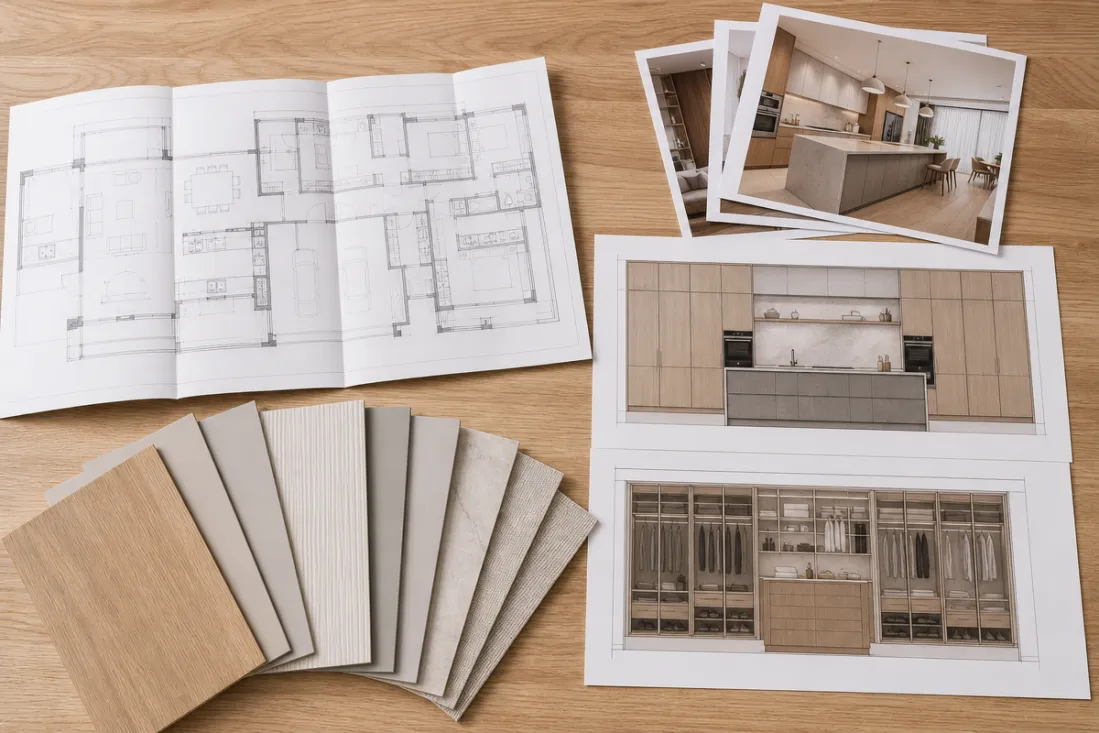
What Should a Furniture Drawing Include Before You Ask for a Quote?
Short answer
In our experience, the accuracy of a quotation usually follows the information on the drawing rather than the effort behind the calculation. The same cabinet described with a sketch tends to come back as a range. Described with a three-view drawing, the range usually narrows. Described with a production drawing, it becomes something both sides can sign.
That is not a supplier holding something back. A price is the sum of decisions, and a drawing that leaves decisions open gives each supplier a different set to price.
11 November 2026
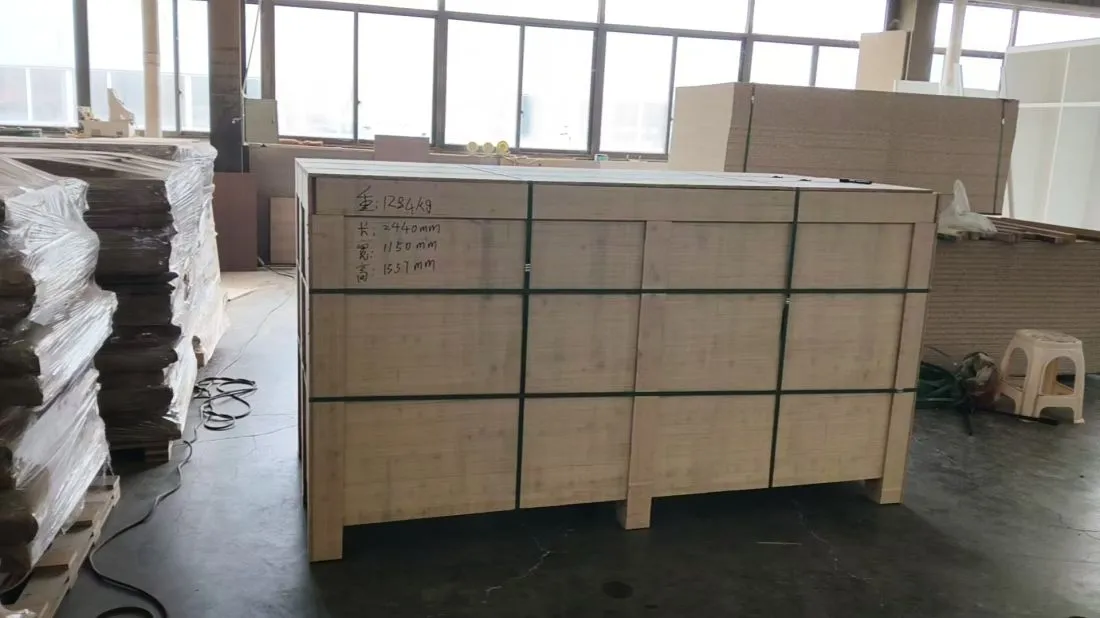
How Should Custom Furniture Be Packed for Sea Freight?
Short answer
Furniture does not arrive damaged because the sea is rough. It arrives damaged because the packaging was not aimed at the three points where a piece actually gets hit: the door corner, the top edge of a panel, and anything that protrudes — a handle, a hinge, a leg.
Each of those needs a different treatment. Wrapping everything in another layer of bubble wrap addresses none of them and adds volume to the container, which you pay for.
The rest of this article covers the three points, packaging by product type, the moisture problem nobody quotes for, pallet compliance under ISPM 15, and what to write in the purchase order so the packaging is defined before the invoice is agreed
02 November 2026
Why Do Three Quotes for the Same Furniture Differ So Much?
Short answer
Three quotes for the same drawing differ by two or three times because the drawing does not describe a product — it describes an outline. Every line the drawing leaves open gets filled in by whichever supplier is quoting, and each one fills it with a different default.
The labour rate is usually not the difference. The difference sits in seven specification lines: board grade, edge treatment, hardware, finish system, internal structure, packaging, and inspection with spares. Two quotes can both be honest and still be 2.5× apart, because they are quoting two different pieces of furniture that happen to share a drawing.
This article takes those seven lines one at a time, then shows how to pull three quotes onto one basis so the comparison means something.
28 October 2026
Melamine, Laminate or Veneer: Which Cabinet Door Finish Should You Specify?
Short answer
There is no best cabinet door finish. There are six finishes and six different ways to fail, and the right choice is the failure you can live with for the life of the project.
Melamine is the cheapest convincing wood grain and it chips at an exposed cut. High-pressure laminate (HPL) has the toughest wear surface and it cannot take a tight curve unless you buy the postforming grade. Veneer gives you real wood with a stable core and it lifts when moisture reaches an unsealed edge. Lacquer takes any profile and can be repaired on site, and it is the slowest and softest of the group. PVC film wraps a shaped door cheaply and it peels where heat reaches the glue line. Acrylic is the highest gloss and it shows every mark.
Pick by failure mode, not by the colour card.
One boundary before we start: this article is about the surface. Which board sits underneath is a separate decision — cabinet boxes, doors and shelves are covered in Kitchen Cabinet Materials.
26 October 2026
How Long Does Custom Furniture Take?
A standard custom furniture order runs about 30 days in production, and a sample takes 3–5 days to make. Move to solid wood with a lacquered finish, add a large project quantity, and the same order moves into the 45–55 day range.
But the number you should plan around is not the sum of those stages. It is the longest single stage, and for most orders that is not the saw — it is the finish, or your own approval.
If a quotation gives you one number with no range and no conditions, that number is a marketing figure, not a production plan.
21 October 2026
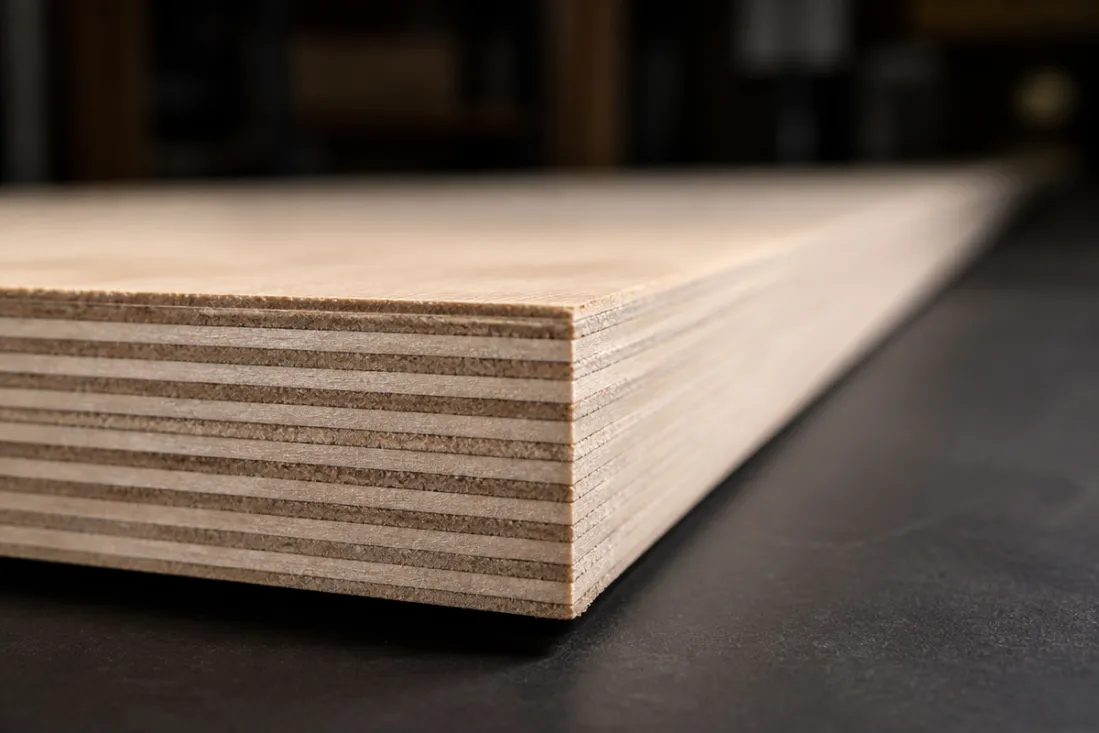
Is Solid Wood Furniture Really Better Than Plywood?
Short answer first: neither material is better on its own — what matters is which part of the piece it is used for. Plywood belongs in the carcass, the drawer boxes, the shelves and anything that spans, carries load or sits near moisture. Solid wood belongs where the material is seen and touched: frames, legs, edge profiles, handles and door rails. Furniture built entirely from one or the other is either overpriced or under-built, and the specification that fails is almost always the one that ignores this split.
19 October 2026
Start Your Furniture Project Today
Send your floor plan or design idea.Our team will provide professional solution.
Get Free Quote