
Is MDF Safe for Children's Furniture?
Homedge 21 August 2026
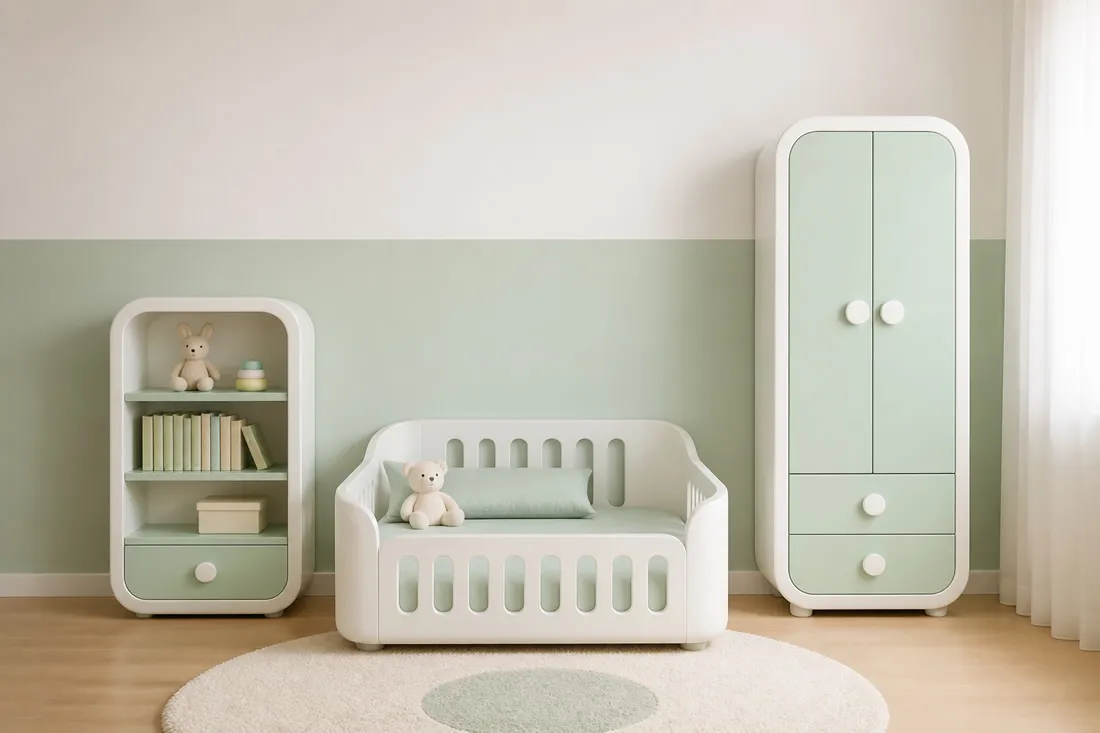
Children's furniture must meet ENF grade (formaldehyde ≤0.025 mg/m³) or preferably use solid wood with “undetected” harmful substances in auxiliary materials; structures must have no sharp corners (corner radius ≥10 mm), no glass, and tall cabinets must be fitted with anti-tip devices. And as long as the furniture is certified low-emission, MDF is safe in a kids' room — look for US CARB Phase 2 / EPA TSCA Title VI, or E0–E1 grades. Emissions come from the adhesive system, not from the wood fiber itself, so the certificate matters more than the board's name. Certified particleboard is equally fine; when the budget allows, solid wood is the naturally lowest-emission choice.
“Is MDF toxic?” is one of the most-searched furniture questions online, and a shared worry among most parents. Most answers are either fear-mongering or marketing.
1. Emissions Come from the Adhesive, Not the Fiber
All engineered boards — MDF, particleboard, plywood, OSB — are “wood + adhesive.” If formaldehyde is released, it comes from a specific resin system, not from the wood fiber itself. That is why two furniture factories' MDF can perform completely differently, and why the right question is never “should I use MDF?” but “what environmental grade does the board carry, and which certificate proves it?”
2. Global Board Certification Standards
|
Standard |
Market |
Overview |
|
CARB Phase 2 / EPA TSCA Title VI |
United States |
The legal baseline for US composite wood products — a compliance floor, not a luxury |
|
E1 (EN 13986) |
Europe |
Europe's baseline for indoor boards |
|
E0 / ENF (GB/T 39600) |
China export |
Stricter voluntary grades; E0 ≤0.050 mg/m³, ENF ≤0.025 mg/m³ |
|
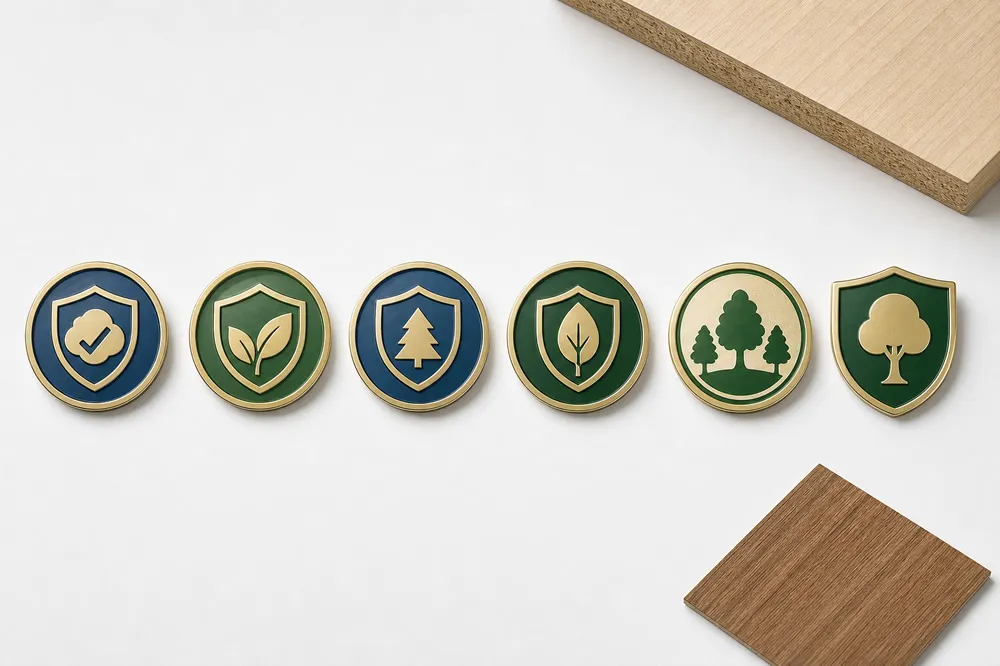
FSC |
Global |
Forest-origin label — governs where the wood comes from, not emissions |
Note: (1) a board can be FSC-certified and still need an emissions certificate — the two measure different things; (2) “formaldehyde-free” marketing usually means MDI-type resins (common in OSB) — credible, but still demand documentation.
3. Advantages of MDF in a Kids' Room
Rounded machined edges:MDF mills smoothly, so doors and panels take soft rounded shapes — fewer sharp corners at knee and head height.
Flawless finish:a washable matte lacquer that doesn't telegraph grain.
Stability:no splinters, no surprises from grain direction.
4. Material Selection by Component
Certified particleboard for wardrobe and bookcase boxes is the value choice for kids' furniture; insist on full edge banding and the same environmental grade.
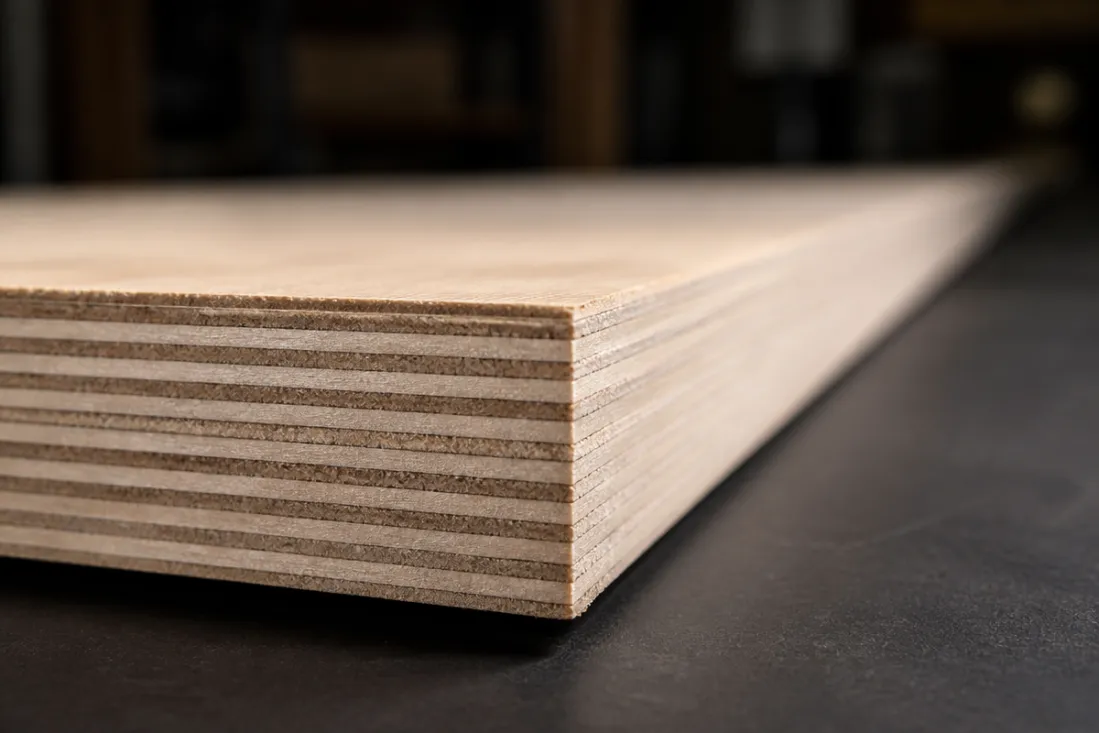
Plywood for beds and desks that get climbed on, dragged, and repeatedly reassembled — these parts need strength and screw-holding power.
Solid wood for pieces meant to “grow up with the child”: naturally lowest emissions, refinishable after years; given the price of solid wood, decide by budget.
5. Six Precautions for Kids' Room Furniture
Name the certificate:the quote should state CARB P2 / EPA TSCA Title VI or E0–E1, not the adjective “eco-friendly.”
The smell test:if it smells pungent on delivery, send it back, no matter what the label says.
Edge banding done right:every cut edge banded or painted — edge banding means fewer emissions and better moisture resistance.
Rounded corners:all corners must be rounded so children don't get hurt — a child's safety outranks any furniture.
Anti-tip safety:tall cabinets must have wall anchor straps — this matters more to a child's safety than any board chemistry.
Washable surfaces:melamine or quality lacquer that wipes clean of markers and yogurt.
6. How Homedge Configures Kids' Furniture
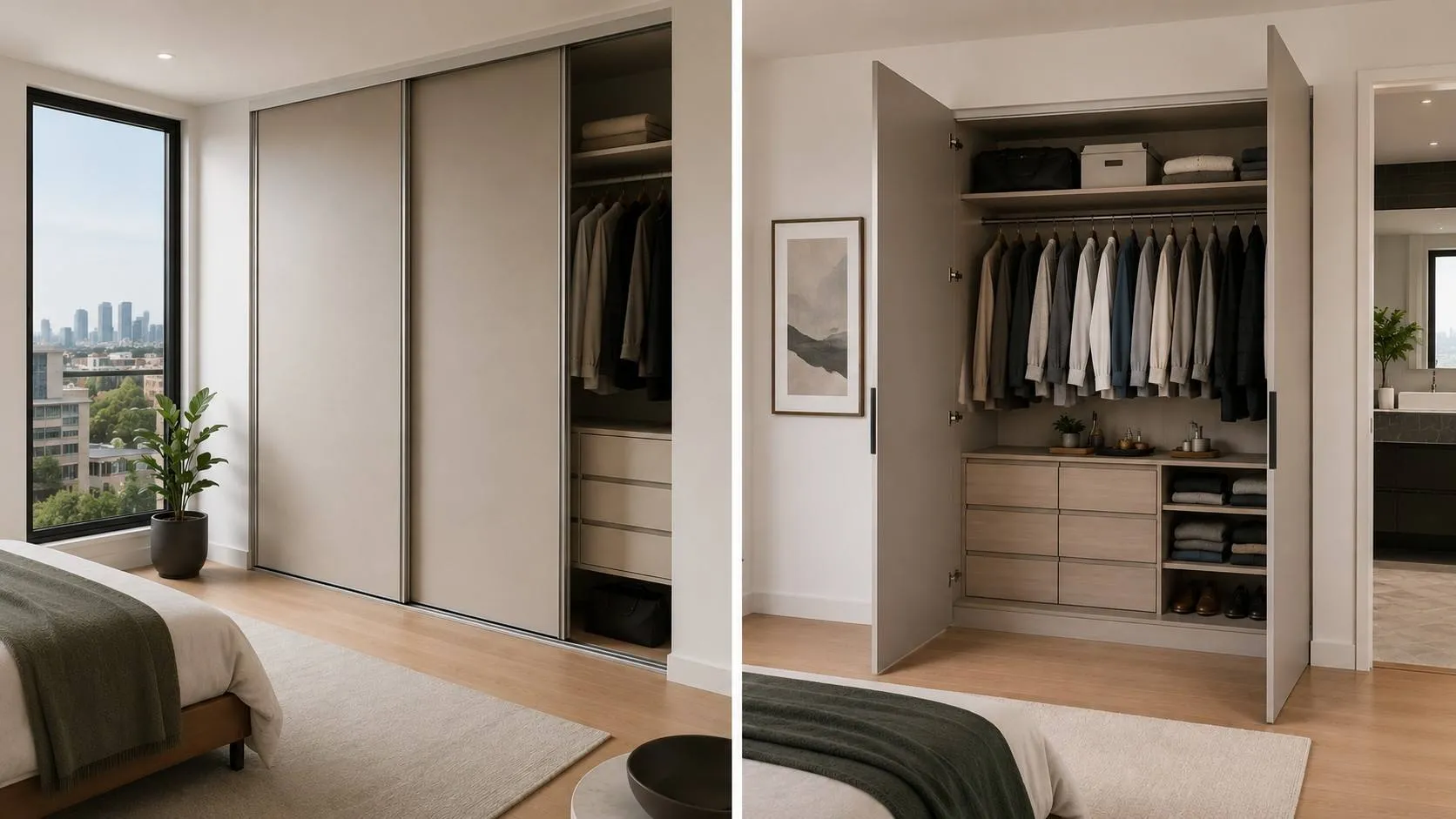
Homedge is a factory-direct custom furniture manufacturer with 20+ years of exports to Europe and North America. Here, environmental grade is a spec line, not a slogan: every bedroom and kids' furniture quote states the board, thickness, and environmental grade being built, plus the documentation matched to your order and target market. Rounded lacquered MDF doors + certified low-emission cabinet boxes + anchored tall cabinets — that's the combination we recommend for nurseries and kids' rooms, with millimeter-precision customization and an average production lead time of about 30 days.
7. FAQ
Is MDF safe for a nursery?
Certified low-emission MDF (CARB P2 / E0–E1) is widely used in nurseries and is safe. Demand the certificate, ventilate after installation — it's a safe, smooth material with rounded edges.
MDF or solid wood for kids' furniture?
Solid wood has the lowest natural emissions and the longest life; certified MDF wins on finish quality and price. When certified, both are fine.
Does “formaldehyde-free” mean safe?
It usually means MDI-type resin systems with no added formaldehyde — a good sign, but still ask for the emissions documentation for your target market.
What should I ask suppliers about emissions?
Three things: which standard (CARB P2 / E0 / E1), which board in which component, and which test report or certificate proves it.
Share this Is MDF Safe for Children's Furniture?


Start Your Furniture Project Today
Send your floor plan or design idea.Our team will provide professional solution.