
Sliding vs Hinged Wardrobe Doors: How to Choose for Your Space
Homedge 12 October 2026
What Actually Decides It: The Space in Front of the Wardrobe
As a working rule on our drawings, a hinged wardrobe needs clear space in front of it roughly equal to the width of one door plus a little body clearance; a sliding wardrobe needs no swing space at all, but its door zone is deeper because the track and panels sit in front of the carcass. That single difference decides most real projects — and it is the one buyers most often discover too late, after the bed is placed.
The second test is the width of the opening. On a very wide wardrobe, hinged doors become impractical — each door gets too wide to swing and too heavy for its hinges — which is why large openings usually end up as sliding or as a run of narrow hinged doors with a fixed panel.
What Changes in the Build
The door choice is not just hardware. It changes what we build:
- The carcass and the top line. Sliding doors need a continuous, straight track line across the whole wardrobe. A wall that runs out of level shows up as a gap or a dragging panel, so sliding wardrobes are usually drawn with a full-width top trim or a ceiling-height frame to hide the correction. Hinged doors tolerate more, because each door is adjusted individually at its hinges.
- The door panel itself. A sliding panel covers half the wardrobe width and carries its own weight plus the mirror or glass you add to it, so the panel needs a stiffer construction — framed profiles or a thicker, well-sealed core. A hinged door can be lighter, but a tall narrow door needs more hinges and a panel that resists twisting. This is where material choice matters: a lacquered MDF door face resists humidity distortion better than a bare particle board edge, which is why we seal every edge on doors regardless of mechanism — see our wardrobe material guide for how those panels compare.
- The interior. With sliding doors you lose nothing inside, but you gain a door zone in front; with hinged doors the interior can be planned right up to the side wall, and internal drawers work better because you open the whole front at once.
- Handles. Sliding panels need a profile or recessed handle on the leading edge, otherwise handles collide in the overlap. Hinged doors can take any knob or handle.
Where Each One Fails First — and How to Specify Against It
Both systems are reliable if they are specified for the load they will actually carry. The failures we see are predictable:
Hinged doors fail at the hinge, not the door. Overloaded hinges on tall or heavy doors sag first; the next failure is screw pull-out where a hinge is fixed into a panel edge. Specify hinges by door height and weight, not by price per unit: tall doors need more hinges than the standard count, and hinge plates should be fixed into solid anchoring, not just into the board face. Insist on adjustable hinges — a three-way adjustment lets the installer correct alignment on site instead of sending a door back to the factory.
Sliding doors fail at the track. Grit and dust in a bottom track wear rollers and create noise; a top track that is under-rated for a mirrored panel bends and the panel starts to drag. Specify the roller system by load rating (and ask what happens with a mirror added), confirm whether the system is top-hung or floor-rolling, and make sure the floor is level before installation — a sliding wardrobe installed on an uneven floor will derail no matter how good the hardware is. Soft-close on sliding doors is a mechanism that needs periodic adjustment, not a fit-and-forget feature.
For trade buyers, add three lines to the order: spare rollers and hinges in the shipment, the installation tolerance you expect for floor and wall levelness, and who covers a service call in the first year. Those three decide whether the doors stay on their tracks in your market, far more than the finish.
The Mixed Solution We Build Most
A whole-home project rarely uses one system throughout, and the combinations are consistent:
- Master bedroom: hinged. Full access, internal drawers, and room for a wider choice of door finishes.
- Second bedroom, small room, rental unit: sliding. The bed is usually against the wardrobe wall, so swing space does not exist.
- Corners and L-shaped runs: sliding. Hinged doors cannot open past a corner return.
- Walk-in closets: hinged or open. There is room to swing, and full-width access matters more when you are standing inside.
- Narrow rooms: sliding with mirror. A mirrored sliding panel adds a full-length mirror without stealing floor space.
If the wardrobe is going into a rental or a property being flipped, our notes on durable furniture materials for rentals explain how to trade door quality against tenant turnover.
What to Write in Your Order
The specification that prevents arguments later:
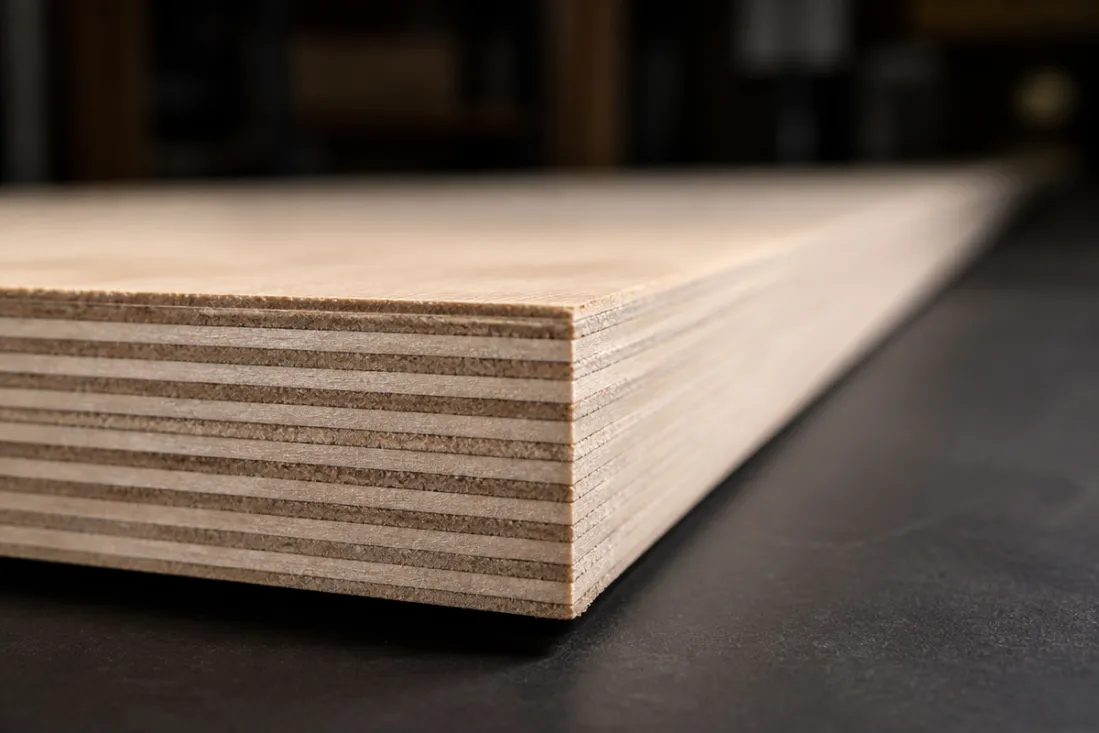
- Door panel — material, thickness, and core (this decides weight and how the door behaves in humidity; compare MDF, particle board and plywood).
- Finish — lacquer, melamine or veneer, and the edge treatment on all four sides.
- Hardware — hinge type and count per door height, or roller system with its load rating; brand and grade, not just "soft close".
- Track or hinge detail — top-hung or floor-rolling, cover profile, and how the top line is finished.
- Mirror or glass — thickness, safety backing, and its effect on panel weight.
- Handles — profile handle for sliding doors, knob or bar for hinged.
- Tolerances — the floor and wall levelness you will guarantee on site, in writing.
- Sample approval — approve a full door, with hardware fitted, not a material chip.
- Spares and service — spare rollers/hinges in the container, and warranty terms for both the panel and the mechanism.
Frequently Asked Questions
Are sliding or hinged wardrobe doors better? Neither in general — the space in front of the wardrobe decides it. With swing space available, hinged doors give fuller access and cheaper hardware; without it, sliding doors are the only practical option.
Do sliding doors save space? They save the swing space in front, which is usually the constraint. They do not save depth: the track and panels sit in front of the carcass, so the wardrobe zone is slightly deeper.
Which type lasts longer? Both last if specified for the load. Hinged doors fail at the hinge or its fixings; sliding doors fail at the rollers and the track. Neither mechanism wears out faster by design.
Can I convert hinged doors to sliding later? Rarely, and it is usually not worth it: sliding needs a different top line, external panels and floor clearance. Change the mechanism at the design stage, not after installation.
Do sliding doors need extra ceiling height? They need a straight top line and enough clearance for the track and its cover. A ceiling-height frame is the usual way to guarantee it.
Are mirrored sliding doors a good idea? In a narrow room, yes — the mirror replaces a full-length mirror you would otherwise hang on a wall. Specify the roller system for the added weight.
Start Your Wardrobe Project
We manufacture custom wardrobes, walk-in closets and bedroom furniture in Chongqing, China — carcasses, doors, edge banding and hardware under one roof, with 20+ years of export experience. Send your floor plan or a photo of the room, and our team will tell you which door system fits your space and quote it from the factory.
Get a Free Quote · homedge@homedgefurniture.com · WhatsApp: +86 182 2388 2903
Share this Sliding vs Hinged Wardrobe Doors: How to Choose for Your Space


Start Your Furniture Project Today
Send your floor plan or design idea.Our team will provide professional solution.